
It’s true that New Delhi had had its ups and downs with Colombo. But to this date, the ‘‘Anti-Imperialistic’’ State of India remains Sri Lanka’s largest trading partner and the largest sponsor for the development projects of the war-hit areas in the Northern and Eastern Provinces. Their involvement in the rehabilitation of IDPs; housing, infrastructure and agricultural development has been huge compared to any other country. The Indo-Sri Lanka Free Trade Agreement (ISFTA — effective from the year 2000) arguably continues to serve both parties in a mutually beneficial manner.
On the other hand, India refused to sell lethal weapons for Sri Lanka’s war on terror, voted for the UNHRC resolutions repeatedly in 2012 and 2013, abstained in 2014 and Man Mohan Singh ditched CHOGM 2013; all because Tamil Nadu’s (pro-LTTE) leadership made sure that those happened.
So this marriage has been down a rocky road in recent times. Having an ‘‘Asian Giant’’ for a neighbour does not sound so good after all.
Question time; what went wrong?
I recently had the luxury of listening to a public lecture delivered by Former Indian High Commissioner to Sri Lanka Nirupam Sen, where he pointed out that India’s primary concern on Sri Lanka has been one of anti-imperialism. That India always wanted Sri Lanka to stand up to imperialistic forces planting their seeds in Sri Lankan soil. This might have been true, given the fact that India’s unified independence struggle against the British and their ultimate victory in 1947 made the British grant Sri Lanka the same privilege a year later. But since then both countries have been strictly inward looking in terms of economics, social structuring and development. Not until our liberalisation movement in the late ’70s have they opened up for trade and exchange.
Ambassador Sen’s statement is also questionable given India’s stance on the Human Rights issues here. Their support for US sponsored resolutions might bring about a notion of acknowledgment to the venture of imperialism into Sri Lankan borders.
The fact supporting New Delhi’s confusing politics is that they have been under constant pressure from the regional leadership in Tamil Nadu. The Indian government is facing the conundrum of the century; lost in the choice between supporting their developing neighbour and retaining the significant voters’ base for the next election.
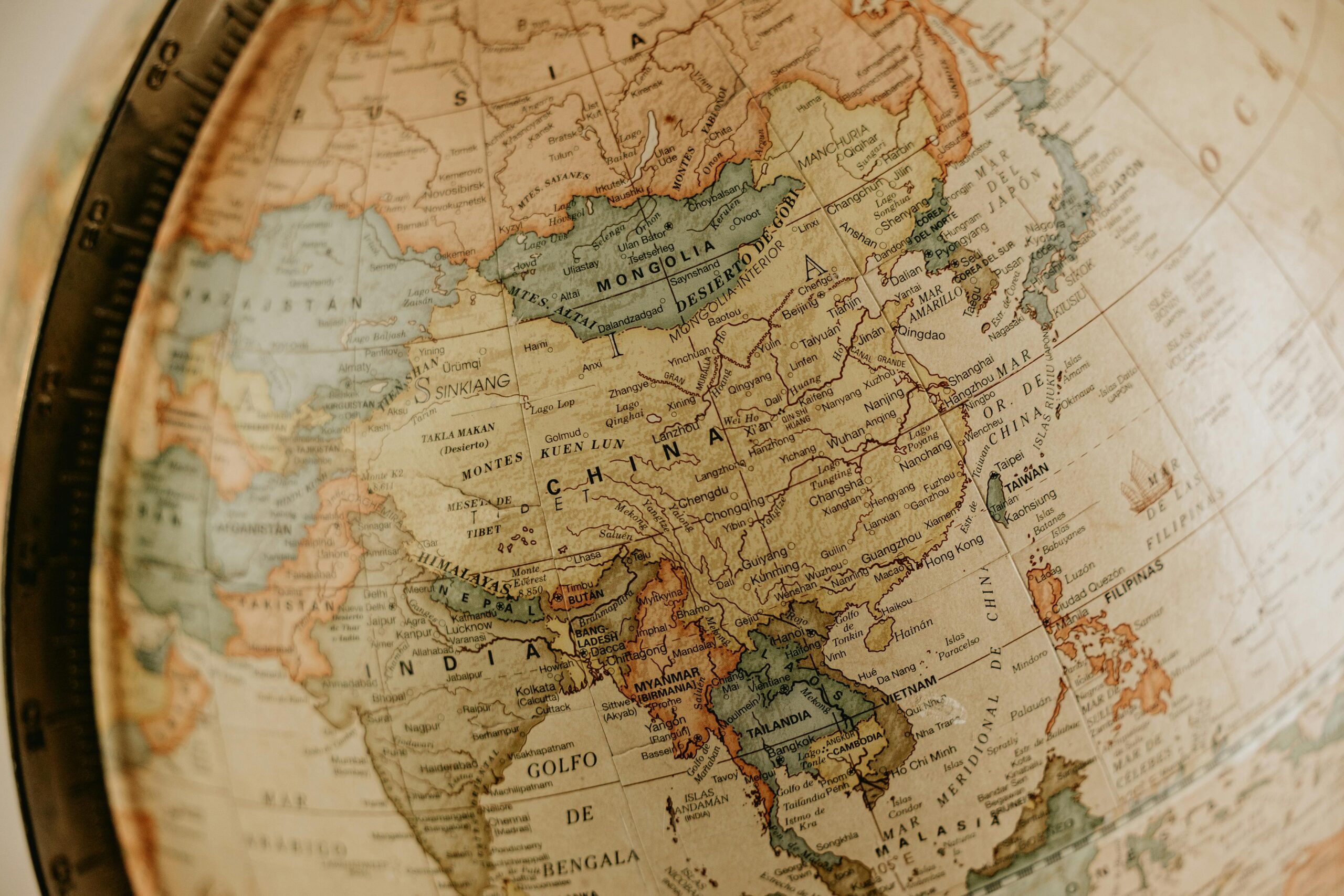
India’s other worry is China. The primary player of the ‘‘Asian Century’’ has blossoming relations with the island nation of Sri Lanka, ranging from convenient, no-strings-attached development loans to multimillion FDIs. And the Sri Lankan government has no hesitation in making this country another pearl in China’s ‘‘String of Pearls’’.
Evidently, the Indians fear a potential countervailing force for their supremacy in the Indian Ocean.
So should we kick Beijing out and cuddle New Delhi?
That, is forgetting what ‘‘diplomacy’’ is. Our policies, our strategies and our readily visible outreach should not exclude either country. Our foreign policy should factor in the interests of both countries who are currently the largest contributors to Sri Lanka’s development, trade and tourism. Striking this balance is one feat that requires holistic scrutiny deserves substantial importance; arguably of the same degree as should be given to engaging the diaspora.
That is exactly the burden which bears down upon my generation.
Leave a Reply