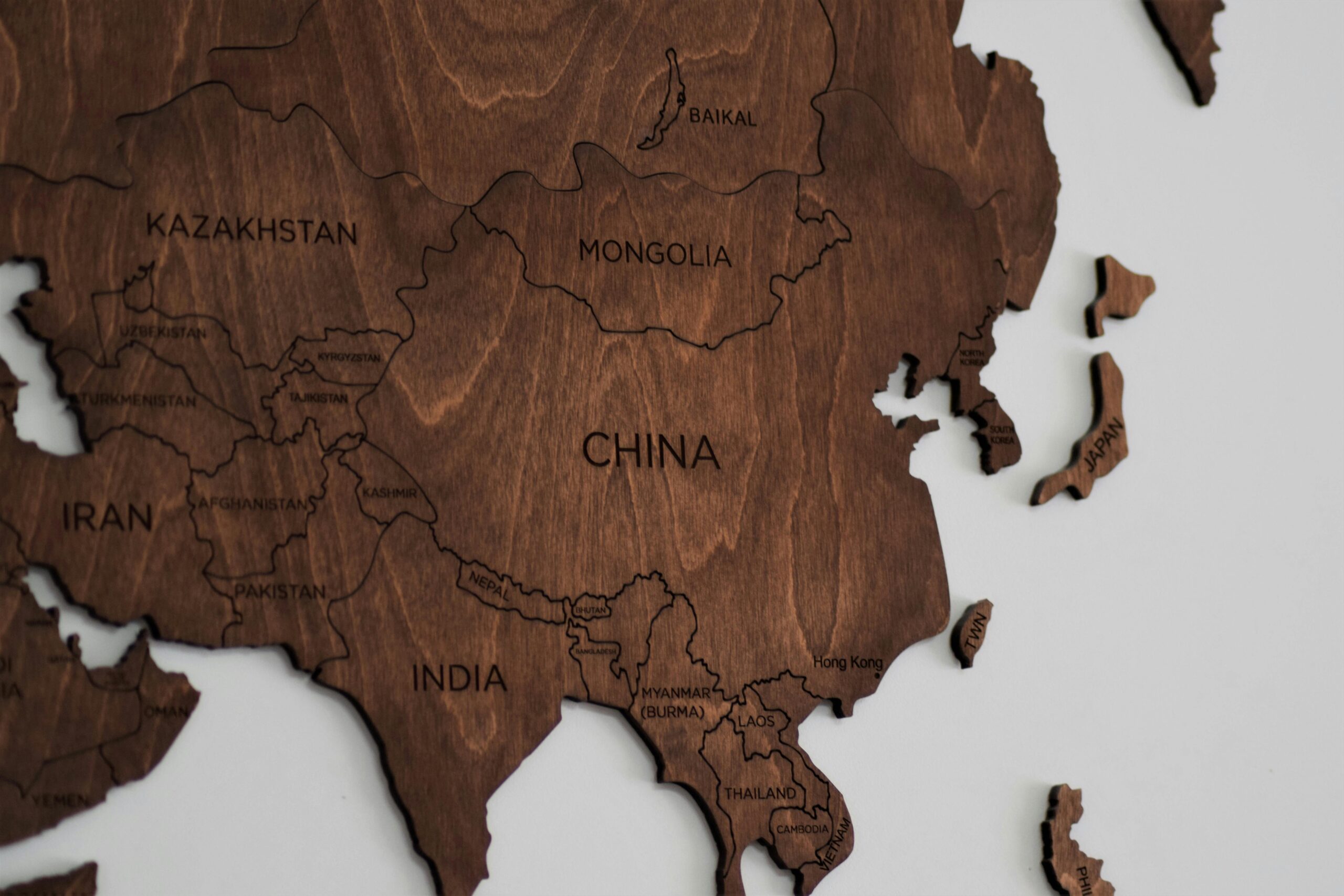

In a set of latest findings, TIME says that China will take over the USA as the world’s largest economy in 2019. Evidence to support this prediction can be seen all over the world if you look closely — Chinese Internet giant Alibaba claimed the distinction of having to its name the largest IPO in history less than a month back, while wealthy Chinese are buying age old family owned Wine businesses in France. 17% of USA’s debt is owned by China, and almost all the manufacturing functions of the biggest tech (and other) firms around the world are outsourced to this land of 1.3 Billion people. The laptop with which I am typing this piece has been assembled in China. The clothes that I am wearing now are made of Chinese apparel. The food that I eat is thanks to Chinese-made kitchenware. It is almost as if the world is made in China. European economies have already fallen behind. Another five years from now, and China will enjoy the top position it craves so much. The “Asian Century” will realise its full potential.
As all these happen, we in the relatively poor Asian countries are left to worry constantly. I believe I speak for most of South Asia when I say that global power dynamics often have strong direct and indirect implications on us. Especially, the young generation in countries like mine should take an interest in what is happening around the world, because this world will be our responsibility soon. And if it’s going to be a unipolar world once again, there are difficulties coming our way. China has special interests in the South Asian region, and this has given rise to complex geopolitical issues over the past years. India is worried. As China increases their engagements in the region through massive loans for development, trade agreements and military aid, USA is also worried that their “leadership” in the region is threatened. The strategic answer the Obama Administration came up with was the Pivot to Asia policy, that former Secretary of State Hillary Clinton embraced wholeheartedly throughout her term in office. The battlegrounds for the superpowers are of course the smaller vulnerable states. Sri Lanka, for example is partnering with China in every way possible — the gargantuan Chinese cash reserves are ever in motion, funnelling out money as and when we ask for it. As such, we are indebted to the Chinese for financing a large part of infrastructure in Sri Lanka. Theoretically, Sri Lanka is a strong advocate and a champion of the non-aligned movement, but in the 21st century , theories don’t hold for long. The average Sri Lankan opts to recognise China as a friend, while dismissing the US, who accuse us of human rights violations as a foe. Similarly, the Chinese have an arguably overbearing presence in almost all the developing countries in the region. In multilateral fora, the battle is fought with interesting tools and “diplomatic” tactics. At the recent Climate Summit that concluded in New York, where world leaders pledged allegiance to the cause of addressing climate change, Chinese President Xi Jinping, whose country is accountable for a majority of the emissions, was absent. Meanwhile, Barack Obama capitalised on his charismatic charm.
In the military world, with US interventions and engagements in the region ever growing, China has taken to strengthening their weapons arsenal. The most recent reply by China to the US forces deploying aircraft carriers in close range in the Pacific Ocean was the Dong-Feng 21D missile. TIME says that China is capable of manufacturing 1,227 missiles for the cost of a single Ford-class US aircraft carrier. According to pro-American sources, this move stands to “threaten” the stability in the Pacific. A war between the two countries is a remote possibility. We are past the age of world powers taking up arms to resolve conflicts — or at least we hope so. But the strategic and diplomatic battles we see today are as damaging in the long run, often ironically to the innocent bystanders. For me, and for a distinct majority of young people in my country, life is not about emerging to be world leaders or change makers. It’s all about surviving in a world with so much complexity. Fluctuations in oil prices takes a toll on the everyday life of an average Sri Lankan. Global capital markets are ever so hard to tap into. The dangers of climate change — which is on a large part due to the misdeeds of heavily industrialised countries — hover over us. We are forced to live by the rules dictated to us by forces that we have no control over.
How we can come up with workable solutions to face all these is a matter of never-ending debate. Whether the youth can step up and put an end to the useless rhetoric, the future will decide. But simply waiting for the future to take matters to its hands is sheer folly — it is this very syndrome of complacency that has proven to be detrimental to us, and it is inviting the domineering external forces to take hold of us. Our future is one we have to build for ourselves — loans from China can help, but they won’t for much longer. If our solutions are not homegrown, then we might as well give up our sovereign statuses. But for the sake of future generations, I hope and pray this one would not cease to be resilient.
Leave a Reply